



![2010Wordlewhite[1]](/_images/506960_l.gif)







BGE Phase (S1-S3)
S1: In S1 the pupils will cover the following areas:
- Recognising whole numbers 1-20
- Ordering whole numbers 1-10
- Counting whole numbers
- Adding 2 whole numbers
- Counting whole numbers
- Using the functions of a calculator to add
- Using the functions of a calculator to subtract
- Finding info from data given
- Sorting real life items in to sets
- Identify a range of coins and bank notes
- Use appropriate coins and notes to pay for items
- Reading time from a display
- Matching time of day to route and activities
- Identify 2D shapes
- Identify 3D shapes
- Identify 2D and 3D in everyday activities
- Ordering familiar objects according to length
- Measuring length of familiar objects
- Ordering familiar containers according to volume
- Measuring volume of familiar containers
- Ordering familiar objects according to weight
- Measuring weight of familiar objects
S2&3: The pupils will cover the following areas:
- Whole Numbers
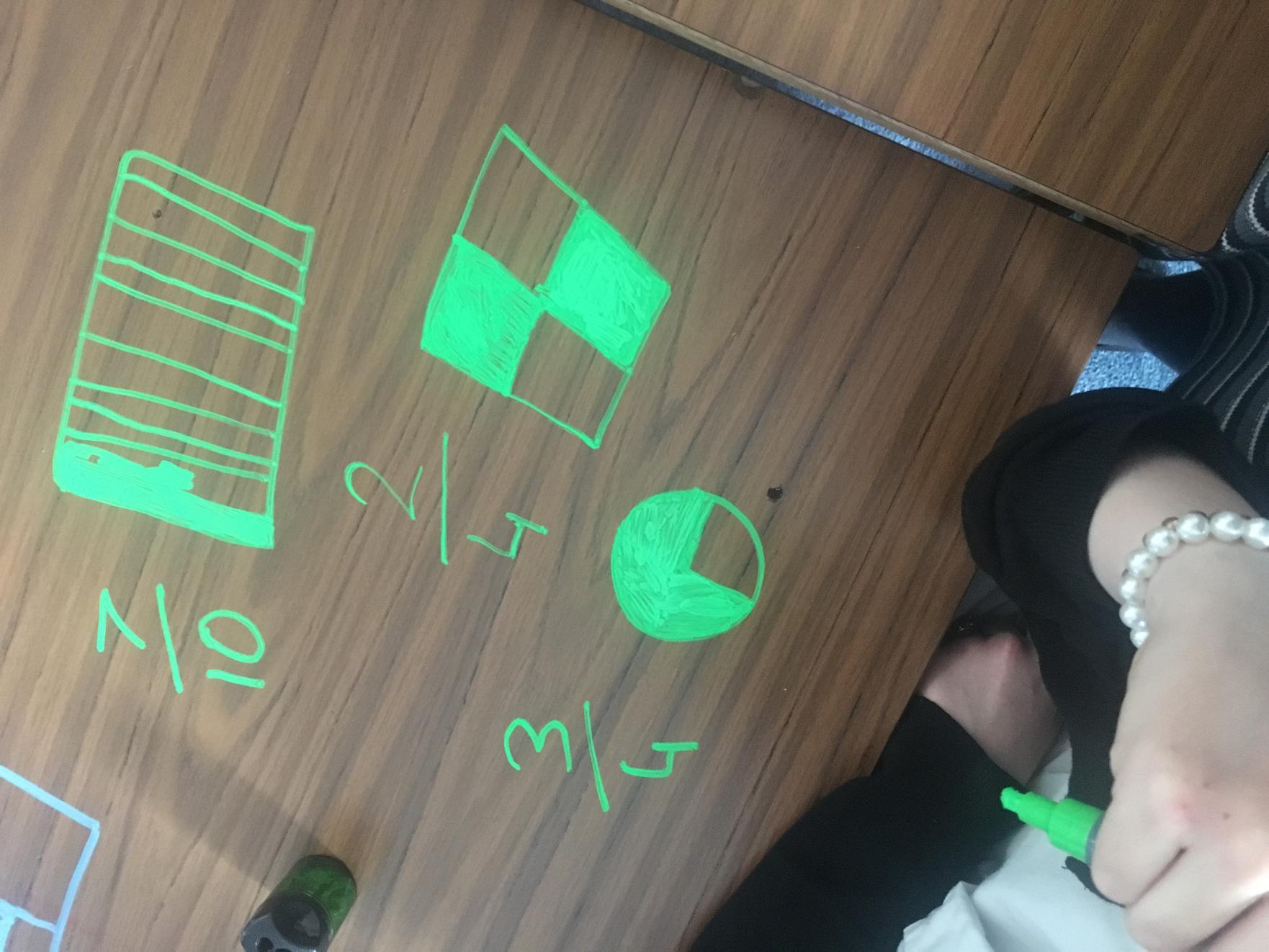
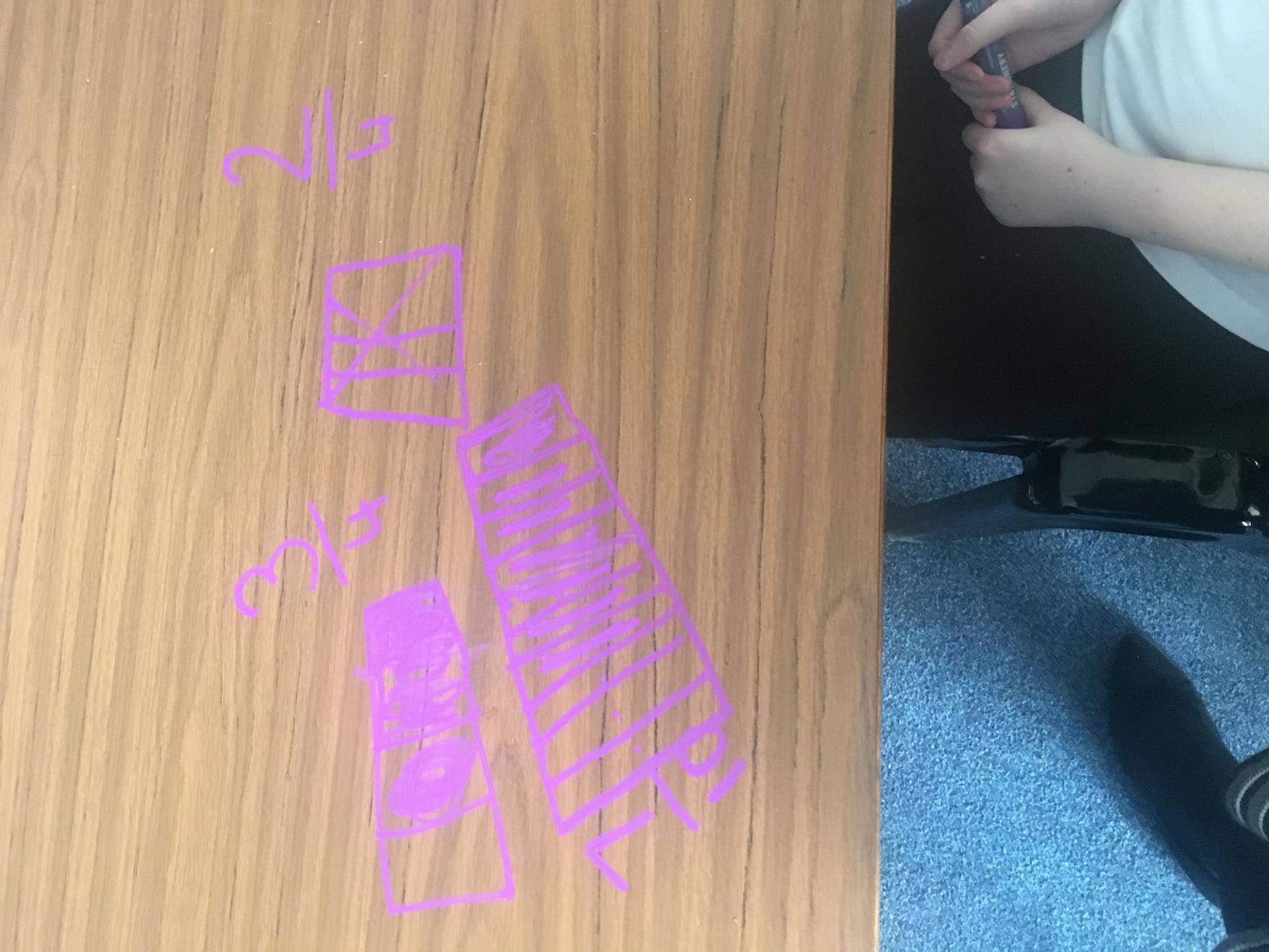
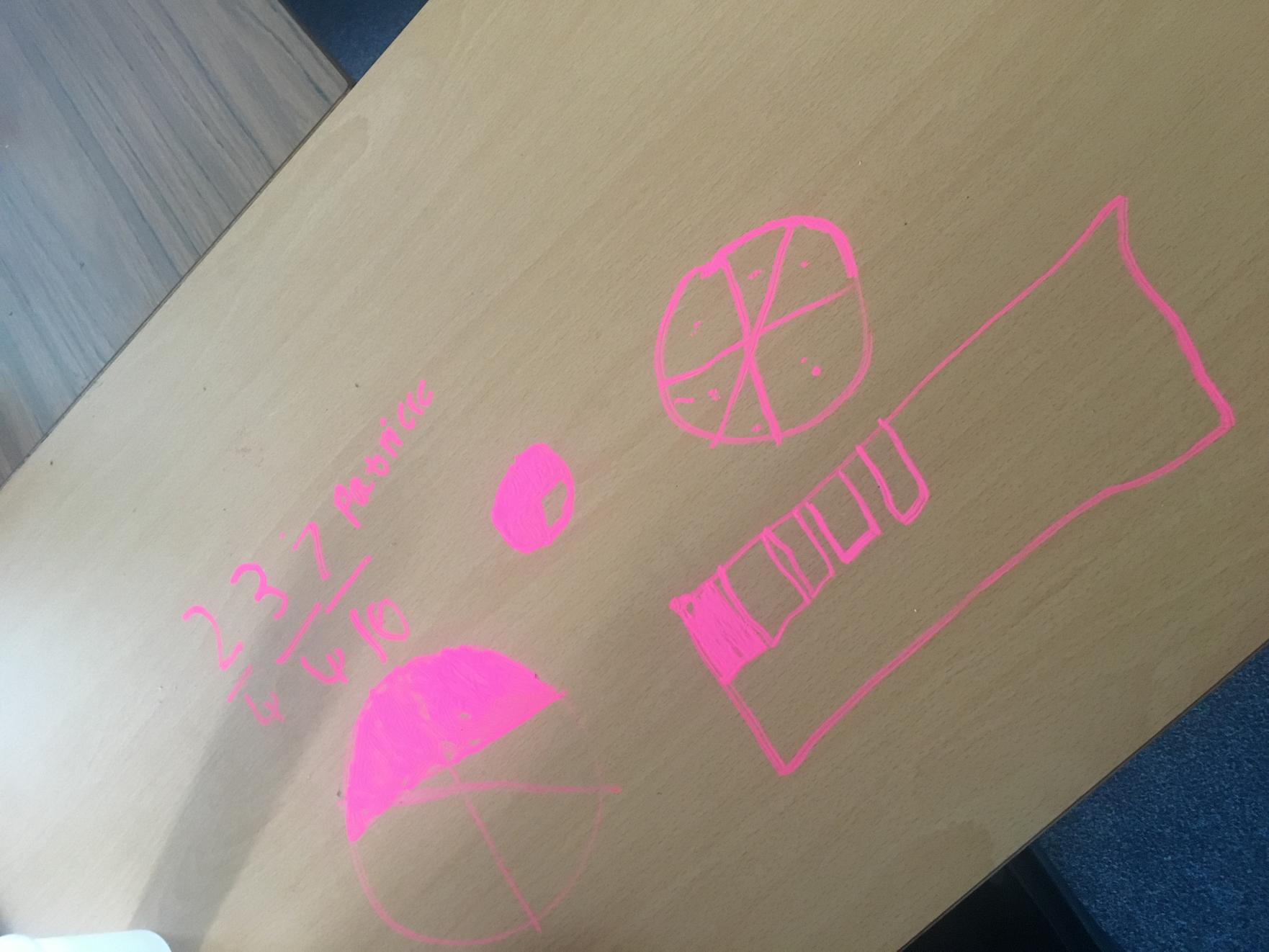
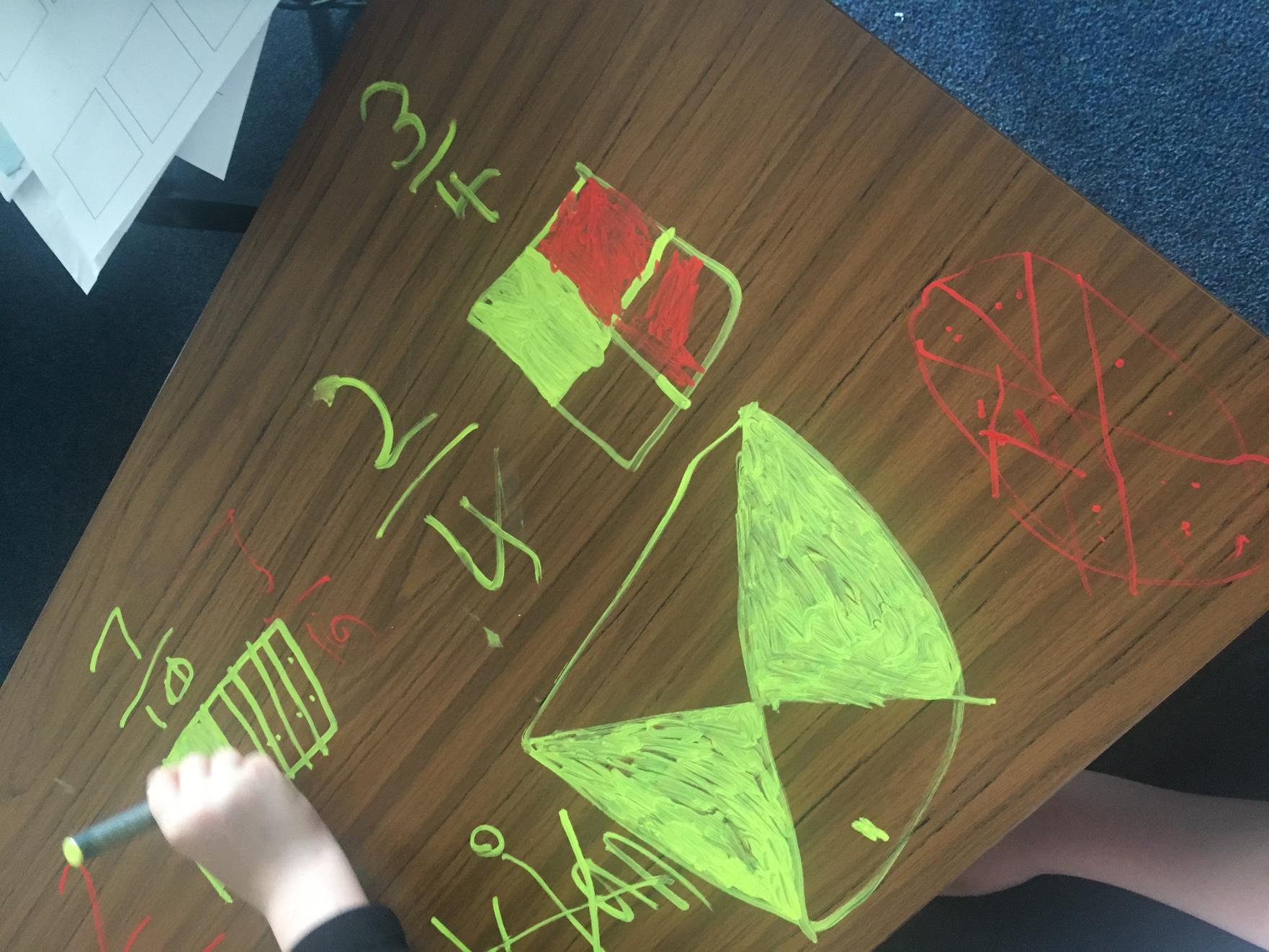
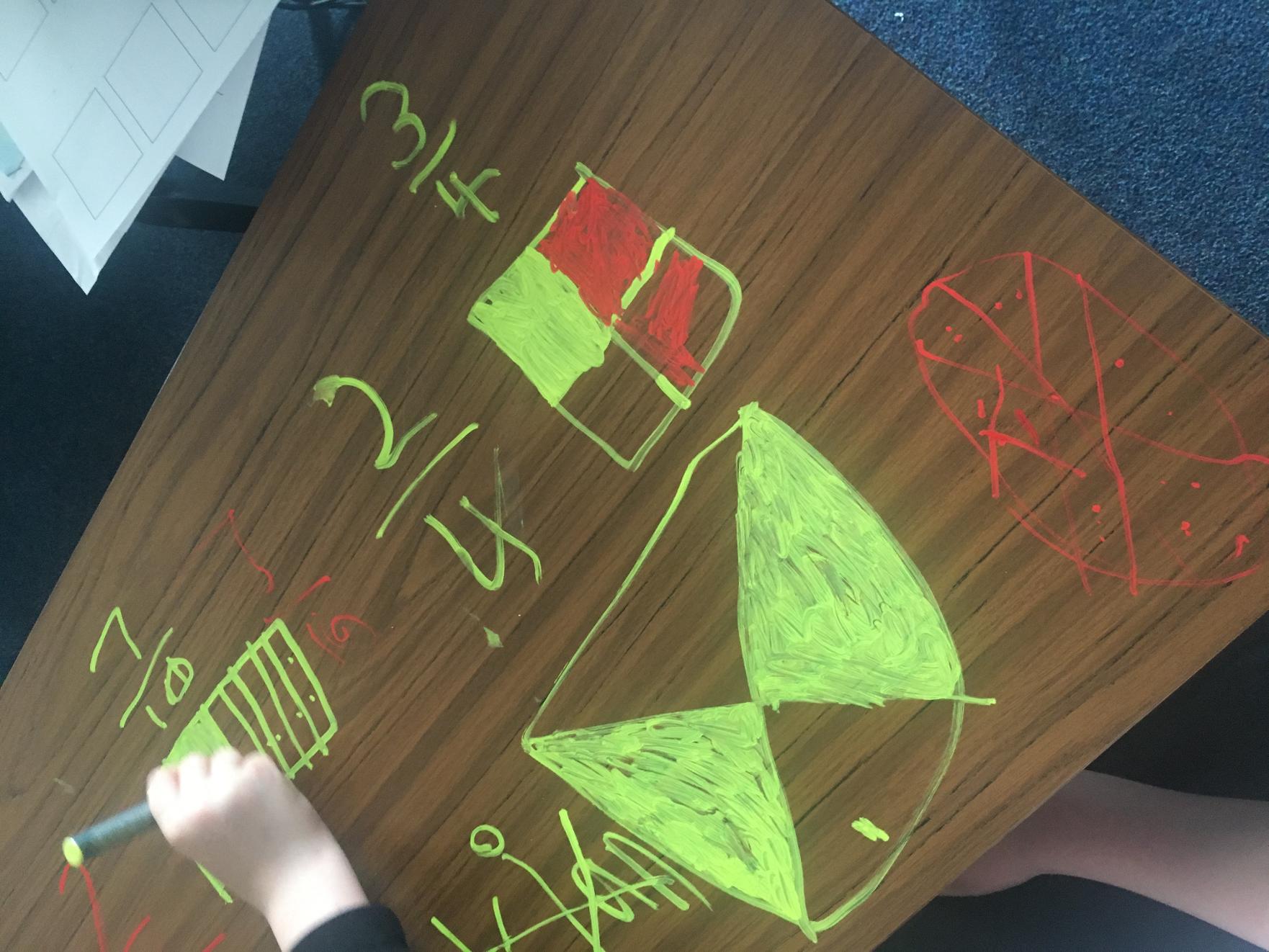
- Simple Fractions
- Adding and Subtracting
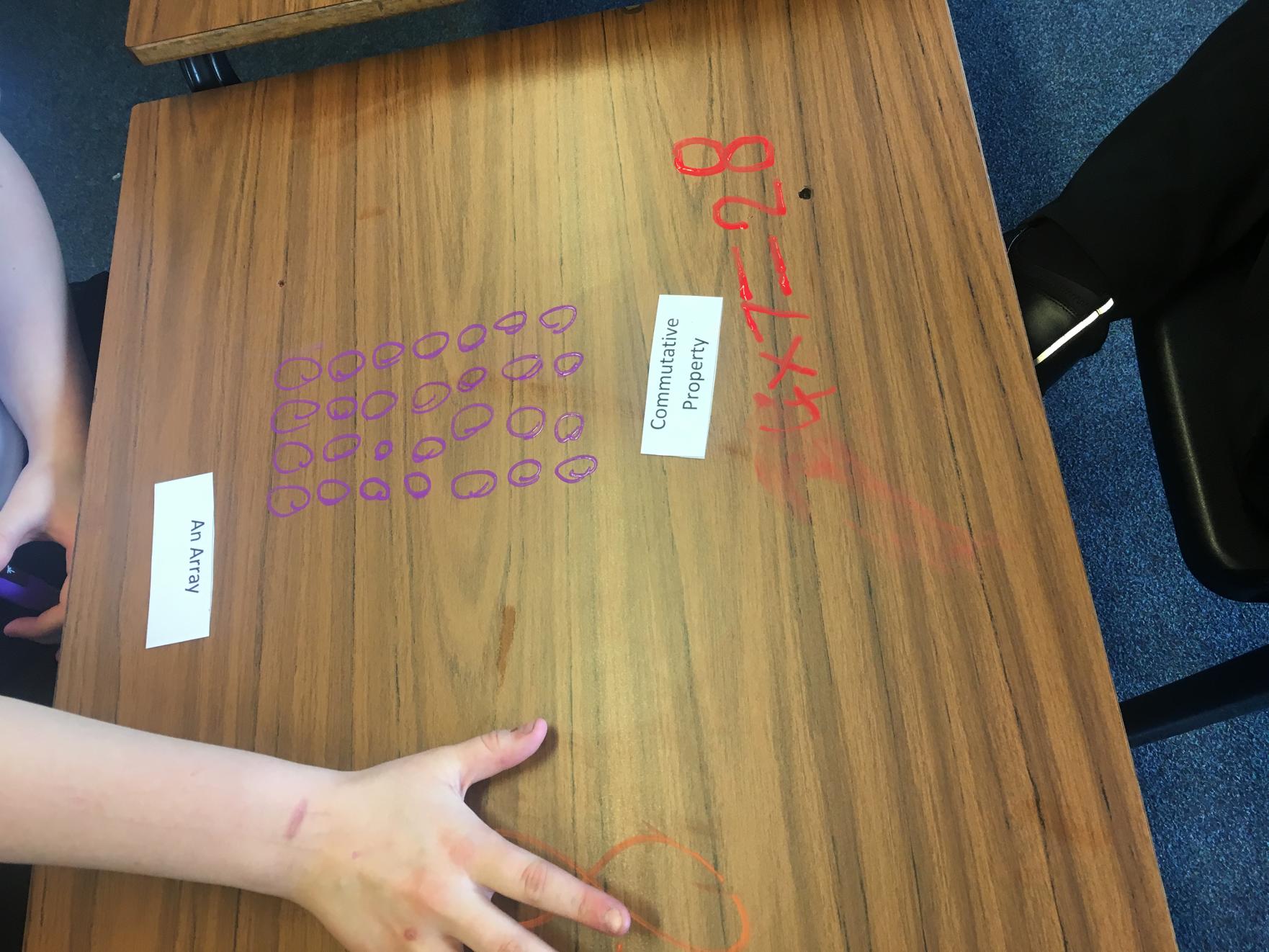
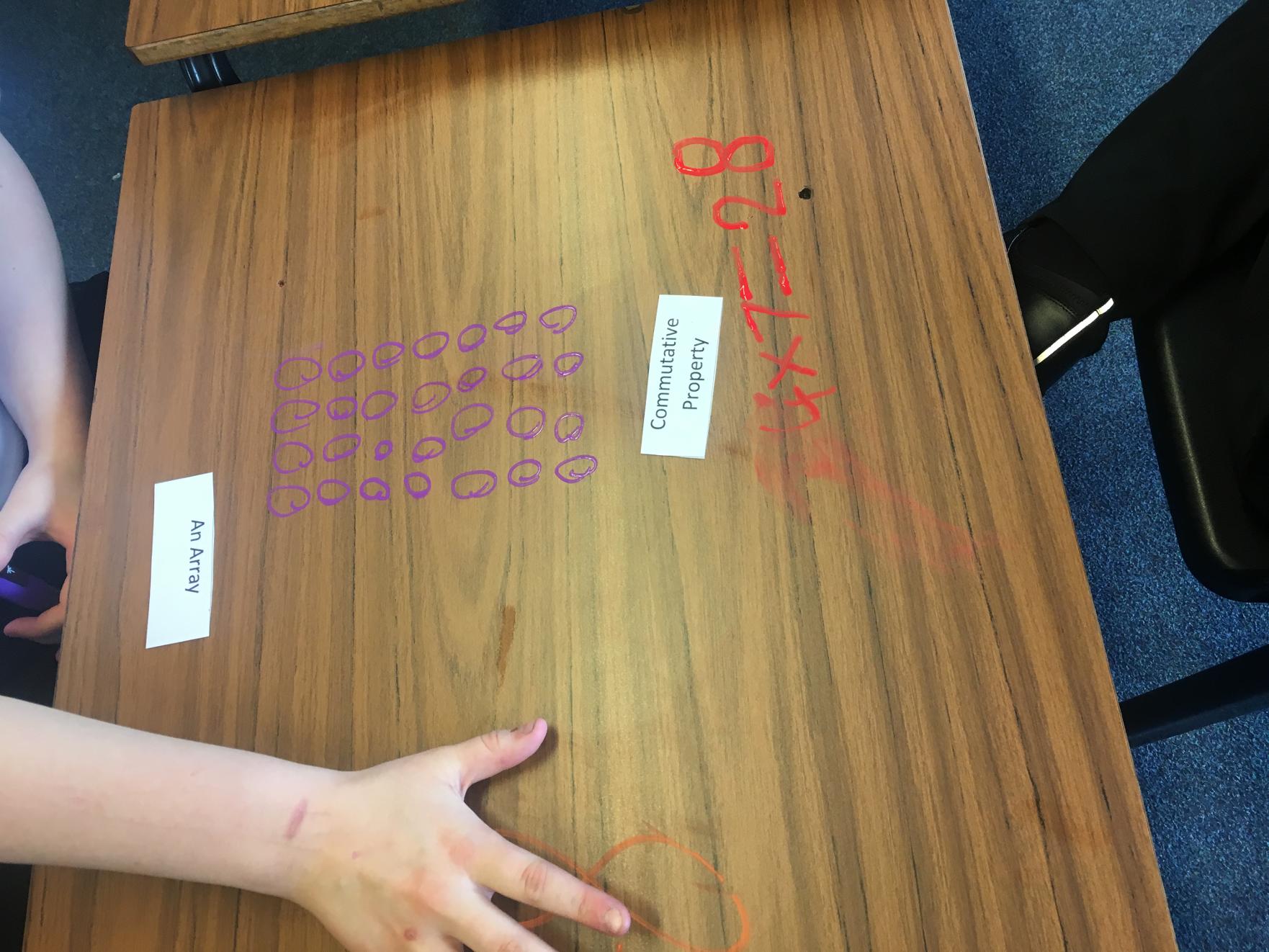
- Multiplication and division
- Real life Calculations
- Numerical Notation
- Simple calculations
- Process simple calculations
- Days of the week/Months of the year
- Using analogy and digital clocks
- Work out simple date intervals
- Work out simple time intervals
- Select appropriate time resources
- Use appropriate time resources
- Make time decisions
- Measuring instruments for real-life tasks
- Interpreting scales to the nearest marked and numbered division
- Recording measurements, using appropriate units
- Using appropriate vocabulary to compare measured items
- Selecting appropriate measuring instruments
- Using measuring instruments appropriately
- Making a decision based on the results of measurements
- Counting manageable amounts of money
- Using coins and bank notes
- Calculating basic costs
- Calculating basic change
- Selecting appropriate calculations from money
- Carrying out calculations with money
- Using the results of calculations with money
- 2D and 3D Shapes
- Position of shapes in a room
- Use appropriate vocabulary to compare shapes
- Continue a simple pattern
- Data in a graphic Form
- Interoperating data
- Using data to make choices